2023, polled 1,000 adults in the United States.
The Shift in Investment Preferences
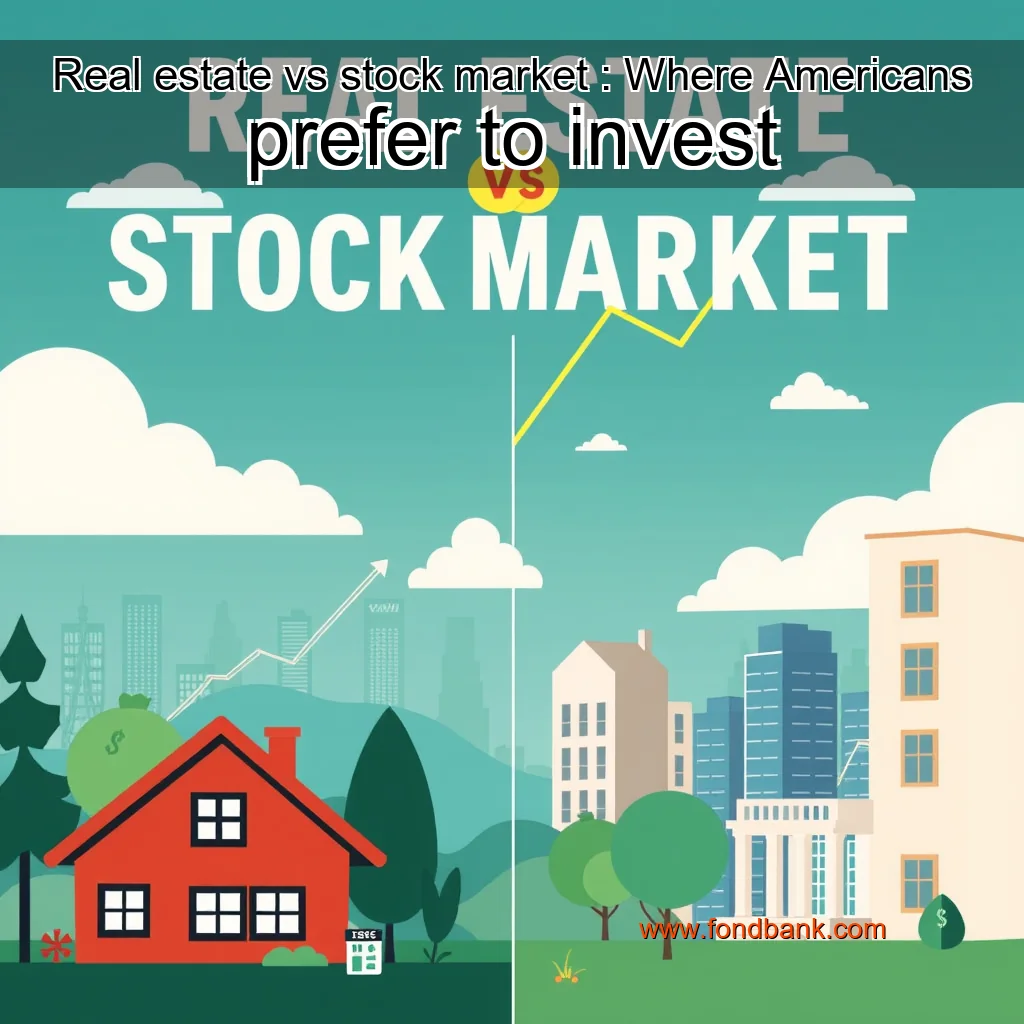
The Bankrate survey revealed a significant shift in investment preferences among Americans. For the first time in history, the stock market has surpassed real estate as the preferred investment option for those who won’t need the money for at least 10 years.
Key Findings
The Rise of Stock Market Investing
The stock market has experienced significant growth in recent years, making it an attractive option for investors. The S&P 500 index has increased by over 300% since 2010, providing a substantial return on investment for those who have invested in the market.
Benefits of Stock Market Investing
According to a recent survey, 71% of Americans do not own any stocks. This hesitation stems from a lack of understanding about the benefits and risks associated with investing in the stock market.
Understanding the Benefits of Investing in Stocks
Investing in stocks can be a great way to grow your wealth over time. Stocks represent ownership in companies, and when you buy a stock, you essentially become a part-owner of that company.
A diversified portfolio can help mitigate the risk of losses and increase the potential for gains.
Understanding the Risks and Benefits of Cryptocurrency
Cryptocurrency has been a topic of interest for many investors in recent years. However, despite its potential benefits, it also comes with significant risks. In this article, we will explore the risks and benefits of investing in cryptocurrency, and discuss the importance of diversification in a portfolio.
The Risks of Cryptocurrency
Cryptocurrency is a highly volatile asset class.
The Rise of Crypto and Its Appeal to Younger Generations
The world of cryptocurrency has been gaining momentum over the past decade, with more and more people becoming interested in investing in digital assets. However, despite its growing popularity, cryptocurrency still struggles to gain mainstream trust as a reliable investment.
Wealthy investors favor stocks, while low-income households opt for safer cash investments.
The Divide in Investment Preferences
The disparity in investment preferences between higher-income households and lower-income households is a pressing concern in the financial industry. A recent study revealed that the two groups have distinct approaches to investing their money.
Key Findings
The Rise of ESG Investing
In recent years, environmental, social, and governance (ESG) investing has gained significant traction in the stock market. ESG investing focuses on evaluating companies based on their impact on the environment, society, and governance practices. This approach has attracted a growing number of investors seeking to align their portfolios with their values and contribute to a more sustainable future.