Web3 Revolutionizes Real Estate with Decentralized Marketplaces and Blockchain-based Transactions.
Here are some key aspects of Web3 in real estate:
Key Features of Web3 in Real Estate
The Benefits of Web3 in Real Estate
The Rise of Tokenization and NFTs
Tokenization is the process of converting physical assets into digital tokens, which can be bought, sold, and traded on digital platforms. This technology has been gaining traction in the real estate market, where properties are being tokenized into digital assets. The benefits of tokenization include increased liquidity, reduced costs, and improved transparency. Key benefits of tokenization: + Increased liquidity: Tokenization allows for the creation of a secondary market for properties, making it easier for investors to buy and sell. + Reduced costs: Tokenization eliminates the need for intermediaries, reducing transaction costs and increasing efficiency. + Improved transparency: Tokenization provides a transparent and immutable record of property ownership, reducing the risk of disputes and increasing trust.
Smart Contracts and the Future of Property Transactions
Smart contracts are self-executing contracts with the terms of the agreement written directly into lines of code. They are revolutionizing the way property transactions are executed, providing a secure, transparent, and efficient way to transfer ownership. Smart contracts can automate tasks such as payment processing, property registration, and dispute resolution.
This shift is transforming the way we invest in real estate, making it more accessible and convenient for everyone.
The Rise of Web3 in Real Estate Investment
A New Era of Accessibility
The concept of Web3 has been gaining momentum in recent years, and its impact on the real estate investment landscape is significant. Web3, short for Web 3.0, refers to the next generation of the internet, characterized by blockchain technology, artificial intelligence, and the Internet of Things (IoT). In the context of real estate investment, Web3 is revolutionizing the way we invest in properties worldwide.
Geographical Barriers Removed
One of the most significant advantages of Web3 in real estate investment is the elimination of geographical barriers. Investors can now participate in property markets worldwide without the need for a physical presence. This means that individuals from different parts of the world can invest in properties in other countries, accessing a broader range of investment opportunities. Key benefits of Web3 in real estate investment: + Global accessibility + No geographical barriers + Increased investment opportunities
Virtual Reality Tours
Virtual reality (VR) technology has become an essential tool in Web3 real estate investment. VR tours enable remote property viewing, allowing investors to explore properties in 3D without the need for physical presence. This technology has transformed the way we experience and evaluate properties, making it easier for investors to make informed decisions.
The Rise of Digital Property Transactions
The shift to digital property transactions has revolutionized the way we buy, sell, and own properties. Gone are the days of physical paperwork and face-to-face negotiations. With the rise of digital platforms, property transactions have become faster, more efficient, and more accessible. However, this shift also brings new security considerations that the industry is now grappling with.
The Need for Robust Cybersecurity Measures
As digital property transactions become more prevalent, the risk of cyber attacks and data breaches increases.
By the end of the decade, we can expect to see the emergence of decentralized property markets and the rise of Web3-enabled property platforms.
The Rise of Web3 in Property Markets
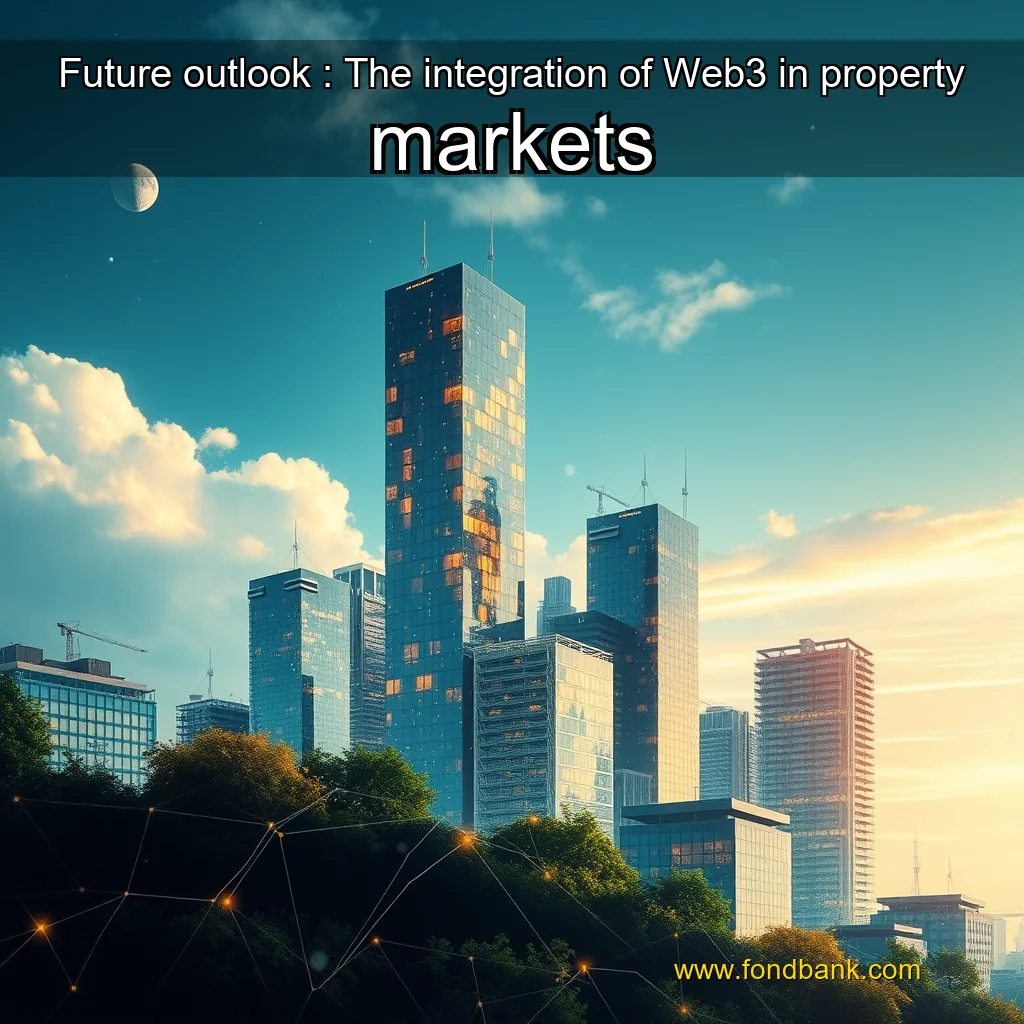
The integration of Web3 into property markets is a gradual process that will unfold over the next decade.
The Importance of Digital Literacy in Real Estate
In today’s digital age, the real estate market has undergone significant transformations. The rise of online platforms, social media, and digital marketing has revolutionized the way people buy, sell, and interact with properties.
Here are some key aspects to consider:
Understanding the Basics of Web3
Web3 refers to the third generation of the internet, characterized by blockchain technology and decentralized networks. In the context of property markets, Web3 enables the creation of secure, transparent, and tamper-proof records of ownership and transactions. Key features of Web3 in property markets include:
- Decentralized ownership: Ownership is distributed across a network of nodes, rather than being controlled by a single entity. Blockchain-based records: Transactions and ownership are recorded on a blockchain, ensuring transparency and immutability. Smart contracts: Self-executing contracts with the terms of the agreement written directly into lines of code. ## The Benefits of Web3 in Property Markets
The Benefits of Web3 in Property Markets
The integration of Web3 in property markets offers several benefits, including:
This information is of a general nature only and should not be regarded as specific to any particular situation. This should not be taken as financial advice to buy, trade, or sell cryptocurrency or use any specific exchange. This is not intended for use as investment, financial or legal advice as each individual’s need will vary. WEEKLY Note from the Editor Get the editor’s insights: what’s happening & why it matters. WEEKLY Explore Travel Every Saturday and Tuesday, explore destinations deals, tips & travel writing to transport you around the globe. WEEKDAYS The Echidna Sharp. Close to the ground. Digging deep. Your weekday morning newsletter on national affairs, politics and more.
The Informer is a daily news digest that provides a comprehensive overview of the latest news and trends in the world of technology, business, and politics. It is a must-read for anyone interested in staying up-to-date with the latest developments in these fields.