Iowa’s financial stability is reflected in its lower average credit card debt compared to the national average.
The Financial Landscape of Iowa
Iowa is often regarded as a financially stable state, with a strong economy and low levels of debt.
Financial literacy education is in crisis in the US, with a significant decline in its implementation in schools.
This change has led to a significant decrease in the implementation of financial literacy education in schools.
The State of Financial Literacy in the US
The United States is often considered a global leader in financial literacy, but the reality is far from it. According to a recent study, less than half of the state population is able to demonstrate basic financial literacy. This alarming statistic highlights the need for a comprehensive approach to financial education, particularly in schools.
The Decline of Financial Literacy Education in Schools
In the past, high school students were required to complete a ‘one-half unit’ of financial literacy education.
The event brought together over 1,000 attendees from across the country, showcasing Michelle’s ability to connect with her audience and inspire them to take control of their financial lives.
The Early Years: Building a Foundation
Michelle Richburg’s journey in financial services began in the 1980s, when she started working as a financial advisor. Her early years were marked by a strong work ethic and a passion for helping others. She quickly gained a reputation as a trusted and knowledgeable advisor, earning the respect of her clients and colleagues alike. Key highlights of Michelle’s early career include:
The Turning Point: Turning Passion into a Business
As Michelle’s career progressed, she began to feel a growing sense of restlessness. She felt constrained by the traditional financial services model, which often prioritized profit over people. This led her to explore alternative paths, including entrepreneurship and personal finance coaching. In 2020, Michelle took the leap and launched her own personal finance enterprise, which would eventually become the foundation for her highly successful summit. Key factors that contributed to Michelle’s decision to turn her passion into a business include:
The Summit: A Resounding Success
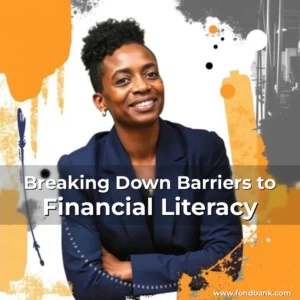
Michelle’s inaugural financial and wellness summit, “Beyond the Bag,” was a groundbreaking event that brought together over 1,000 attendees from across the country.
By the time they reach adulthood, they are expected to have a net worth of $1 million.
The Vision of Equity Now
Equity Now’s mission is to empower students with the knowledge and skills necessary to achieve financial stability and independence. The organization’s vision is centered around creating a more equitable society where everyone has access to the same opportunities and resources. By providing financial education programs that cater to diverse age groups, Equity Now aims to bridge the wealth gap and promote economic mobility.
Early Intervention
Equity Now’s approach to financial education begins as early as kindergarten. The organization offers a range of programs designed to introduce young students to basic financial concepts, such as saving, budgeting, and investing. These programs are tailored to meet the unique needs of each age group, ensuring that students receive relevant and engaging content. Key aspects of Equity Now’s early intervention programs include: + Interactive games and activities that make learning fun and accessible + Real-life scenarios that help students understand the importance of financial literacy + Collaborative learning experiences that foster social skills and teamwork
Middle School and High School Programs
As students progress through middle school and high school, Equity Now’s programs become more comprehensive and in-depth.
He decided to start his own business, a small consulting firm that would provide services to a variety of clients.
The Turning Point
James had always been passionate about industrial engineering, but he had never considered starting his own business. However, after being told that his job was at risk, he realized that he had a choice to make. He could either continue to work for someone else and risk losing his financial security, or he could take a chance and start his own business. The idea of starting a business was not new to James, but it was not something he had ever seriously considered before. He had always been content with his job and had never felt the need to take a risk. But after being told that his job was at risk, he realized that he had been living in a state of denial.
The Plan
James knew that starting a business would not be easy. He would need to secure funding, find clients, and build a team. But he was determined to make it happen. He spent countless hours researching and planning, pouring over business plans and financial projections. He reached out to friends and family, seeking advice and support. He even took a course in entrepreneurship to learn more about the process.
The Challenges
Starting a business is not without its challenges. James faced many obstacles, including finding funding, building a team, and managing clients. He struggled to find funding, and had to get creative with his financial planning. He had to build a team from scratch, which was a daunting task.
I believe that financial literacy is a fundamental skill that can empower individuals to break free from financial stress and build a better life.
The Power of Financial Education
Financial education is not just about teaching individuals how to manage their finances; it’s about equipping them with the knowledge and skills to make informed decisions that can positively impact their lives and the lives of those around them. By providing access to financial education, we can create a ripple effect that can lead to a more financially stable and prosperous community.
The Benefits of Financial Education
Real-Life Examples of Financial Education in Action
Building a Culture of Financial Literacy
The Power of Financial Education
Financial education is a vital component of broader economic empowerment efforts. It empowers individuals to make informed decisions about their financial lives, taking control of their economic futures. By providing individuals with the knowledge, skills, and confidence to manage their finances effectively, financial education can have a profound impact on their overall well-being.
The Benefits of Financial Education
The Role of Partnerships
Financial education is often more effective when implemented through partnerships between various stakeholders. These partnerships can include:
By working together, these partners can create ecosystems where knowledge, resources, and opportunities flow freely. This collaborative approach can help to amplify the impact of financial education, reaching a wider audience and providing more comprehensive support.
The Impact of Financial Education
Financial education can have a significant impact on individuals, communities, and the broader economy.
100 in 24 has also provided training and workshops on topics such as budgeting, financial planning, and credit counseling.
The Mission of 100 in 24
100 in 24’s mission is to empower individuals and families to achieve financial stability and independence. The organization’s approach is centered around providing comprehensive support services, including:
By offering these services, 100 in 24 aims to break the cycle of financial instability and promote long-term financial well-being.
The Impact of 100 in 24
The organization’s impact is evident in the lives of its clients.
The Rise of Social Entrepreneurship
In the United States, the economic landscape has been shaped by decades of inequality and systemic barriers to economic mobility. Despite the country’s prosperity, millions of Americans struggle to make ends meet, with many living paycheck to paycheck.

news is a contributor at FondBank. We are committed to providing well-researched, accurate, and valuable content to our readers.