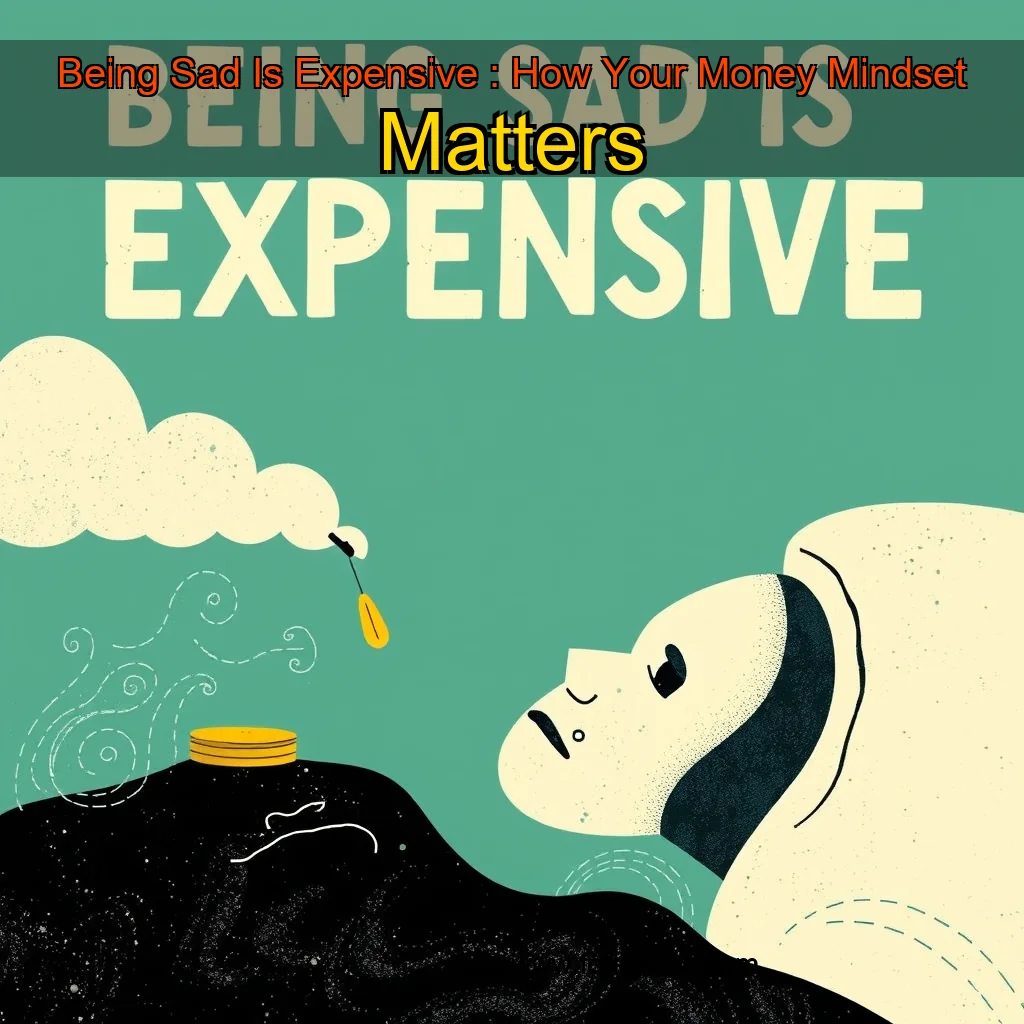
Money is not just about numbers; it’s about emotions, mindset, and well-being.
However, this perspective overlooks the complex interplay between emotions, money, and well-being.
Understanding the Emotional Connection to Money
Emotions play a significant role in shaping financial decisions and outcomes. Research has shown that emotions can influence household income and net worth beyond traditional factors such as income level, education, and occupation. For instance, a study found that households with higher levels of emotional well-being tend to have higher net worth. This suggests that emotional factors can have a significant impact on financial outcomes. Key findings: + Households with higher emotional well-being tend to have higher net worth. + Emotional well-being is linked to financial stability and security. + Financial stress can have a negative impact on emotional well-being.
The Impact of Money Mindset on Financial Well-being
A person’s mindset about money can also have a significant impact on their financial well-being. Research has shown that people who have a positive money mindset tend to have better financial outcomes than those with a negative money mindset. For example, a study found that individuals who believed in the concept of “financial independence” tended to have higher levels of financial satisfaction and well-being. Key findings: + People with a positive money mindset tend to have better financial outcomes. + A positive money mindset is linked to financial satisfaction and well-being. + A negative money mindset can lead to financial stress and anxiety.
Breaking Free from Traditional Thinking
Traditional thinking suggests that financial success leads to happiness. In reality, financial success can actually lead to financial stress and anxiety, rather than happiness. This is because financial stress can have a negative impact on emotional well-being, leading to feelings of anxiety and burnout.
Contentment and wealth are intertwined, with a focus on experiences and relationships over material possessions.
The Connection Between Contentment and Financial Stability
Contentment is a complex emotion that encompasses a range of feelings, including happiness, satisfaction, and fulfillment. While it may seem counterintuitive, research suggests that individuals who experience higher levels of contentment tend to have greater income and net worth. This phenomenon is often referred to as the “happiness-income paradox.”
The Role of Materialism
Materialism is a significant factor in the relationship between contentment and financial stability.
Emotions cloud financial judgment, leading to poor financial decisions.
The Impact of Negative Emotions on Financial Stability
Negative emotions can have a profound impact on our financial stability, often in ways we’re not even aware of. When we’re consumed by anxiety, fear, or sadness, our decision-making processes become clouded, leading to poor financial choices that can have long-term consequences.
The Role of Emotional Regulation
Emotional regulation is the ability to manage and modulate our emotions in response to various situations. When we’re able to regulate our emotions effectively, we’re better equipped to make rational, informed decisions about our finances.
When anger is present, it can lead to impulsive decisions, reckless spending, and poor financial planning, ultimately resulting in financial instability.
The Dark Side of Anger
A Double-Edged Sword
Anger can be a powerful motivator, driving individuals to work harder and strive for financial success.
Harnessing the Power of Positive Emotions for Financial Success.
The Power of Positive Emotions in Financial Decision-Making
Emotions play a significant role in shaping our financial decisions. Research has shown that positive emotions can lead to better financial outcomes, while negative emotions can hinder our progress. In this article, we’ll explore the connection between emotions and financial well-being, and provide practical tips on how to harness the power of positive emotions to make better financial decisions.
The Impact of Positive Emotions on Financial Well-being
Positive emotions have a profound impact on our financial well-being. When we experience joy, love, and contentment, we’re more likely to make financial decisions that align with our values and goals. Here are some ways in which positive emotions can benefit our financial lives:
The Importance of Emotional Intelligence in Financial Planning
Emotional intelligence (EI) is the ability to recognize and understand emotions in oneself and others. In the context of financial planning, EI is crucial for building trust, understanding client needs, and making informed decisions. Financial professionals should strive to develop their EI to provide better services to their clients.
Understanding Client Needs
Making Informed Decisions
Building Trust and Credibility
Emotional intelligence (EI) is the ability to recognize and understand emotions in oneself and others, and to use this awareness to guide thought and behavior. As an entrepreneur, developing emotional intelligence can be a game-changer in achieving financial success.
Understanding Emotional Intelligence
Emotional intelligence is not just about being in touch with your emotions; it’s also about being aware of the emotions of those around you. This includes recognizing emotional cues, empathizing with others, and managing your own emotions to achieve a positive outcome.

news is a contributor at FondBank. We are committed to providing well-researched, accurate, and valuable content to our readers.