Key Players and Partnerships
The firm’s success can be attributed to its strategic partnerships with key players in the African startup ecosystem. These partnerships have enabled the launch Africa to tap into the vast talent pool of African entrepreneurs and innovators. • The firm has partnered with the African Development Bank, the African Union, and the United Nations Development Programme (UNDP) to support the growth of African startups. • Launch Africa has also collaborated with prominent African venture capital firms, such as Catalyst Fund and EchoVC, to provide access to funding and expertise for African startups.
The new app will allow entrepreneurs to access funding beyond just a few major investors. Launch Africa’s new app, which is set to launch in mid-2023, will allow users to access funding from a broader range of investors, including venture capital firms, family offices, and impact investors. This change aims to broaden the pool of potential funding sources for entrepreneurs, which has been a major criticism of Launch Africa’s previous app. The new app will also feature a more personalized experience, with a focus on providing users with tailored recommendations and resources to help them grow their businesses. To address the third problem, Launch Africa is also launching a new product called the Launch Africa Accelerator. This product will provide a comprehensive program for startups to get the necessary support and resources to scale their businesses. The accelerator will offer a range of services, including mentorship, networking opportunities, and access to a network of experienced entrepreneurs and investors. The goal of the accelerator is to help startups overcome the challenges of scaling, and to provide them with the tools and resources they need to succeed. The fourth problem that Launch Africa aims to address is the lack of diversity in Africa’s startup ecosystem. Launch Africa is launching a new initiative called Launch Africa Fellowship to increase diversity in the startup ecosystem.
We need to create a new ecosystem that allows for more efficient and effective investment in Africa.
The Challenges of Investing in Africa
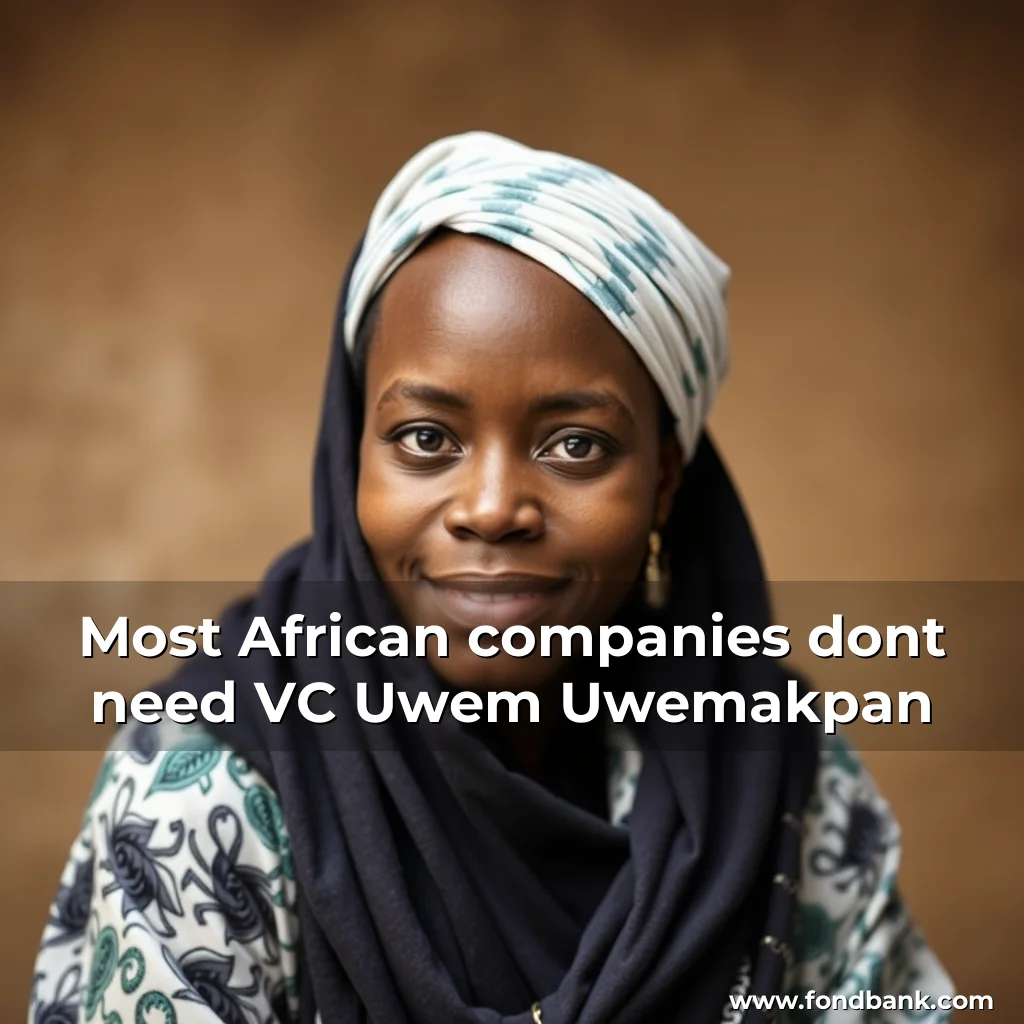
Investing in Africa can be a daunting task due to the continent’s complex and often unpredictable business environment. Uwemakpan’s experience highlights the challenges that investors face when trying to navigate the region’s regulatory landscape, access capital, and build a successful business. • Limited access to capital: Many African businesses struggle to access the capital they need to grow and expand, making it difficult for investors to find viable opportunities.
This innovative financing solution is gaining traction among companies looking to scale their businesses without relying on traditional fundraising methods.
Mezzanine funding can be particularly beneficial for companies in the growth phase, as it allows them to access capital without diluting ownership.
The incubator provides resources and support to startups in the technology and innovation sectors.
Portfolio of Startups
Launch Africa has a diverse portfolio of startups that are working on a range of innovative projects. Some examples include:
These startups are just a few examples of the many innovative projects that are being supported by Launch Africa.
This is a key differentiator for our platform.
By leveraging these partnerships, we are able to provide startups with the resources they need to grow and succeed.
We also provide a comprehensive online resource library that offers a wealth of information on topics such as fundraising, marketing, and operations.
Expert Guidance for Founders
As a founder, navigating the complex world of startup funding can be overwhelming. With the right guidance, however, you can increase your chances of securing the funding you need to grow your business. Our coaching services are designed to provide founders with the expertise and support they need to succeed. • We offer personalized coaching sessions tailored to the specific needs of each founder*
Regular Office Hours
We believe that founders should have access to regular support and guidance. That’s why we hold weekly office hours where founders can openly discuss issues or seek guidance. These sessions provide a valuable opportunity for founders to connect with our team and get the support they need to overcome challenges.
Founding the Fund
The fund was founded by a group of entrepreneurs who recognized the potential of emerging technologies to drive innovation and growth in various industries.
The Importance of Team Strength
The strength of the team is a crucial factor in our investment decision. A well-rounded team with diverse skills and expertise can tackle complex challenges and drive growth. A team that is cohesive, motivated, and has a clear vision can overcome obstacles and achieve remarkable results. • Key characteristics of a strong team include:
A team that is well-equipped to tackle the challenges of the market can drive growth and achieve success.
This is because our larger ownership stakes allowed us to exert more influence over the companies we invested in.
Our strategic partnerships have had a profound impact on our investment performance. By partnering with companies that have a strong track record of innovation and growth, we are able to identify and invest in companies that have the potential to drive significant growth and innovation.
Our Fund II has performed exceptionally well, with a significant increase in returns compared to our previous fund.
For stage distribution, we have a weighted approach that allows us to capture the value creation at the seed stage.
At the growth stage, we focus on investing in established companies with a proven track record of success. We look for companies with a strong market position, a solid financial foundation, and a clear path to continued growth. • Key characteristics of growth-stage investments: + Strong market position + Solid financial foundation + Clear path to continued growth*
We invest in companies with strong growth potential, but also prioritize long-term sustainability and responsible investing.
We invest in a diverse range of companies across various industries. Our portfolio companies are selected based on their strong growth potential, management team, and alignment with our investment principles. • We invest in companies with a proven track record of innovation and disruption.
These criteria include a strong potential for growth, a clear path to profitability, and a competitive advantage over traditional sales channels.
Understanding the Market
The African market is vast and diverse, with numerous opportunities for growth. However, it also presents unique challenges, such as limited infrastructure, regulatory hurdles, and a complex supply chain. To navigate these challenges, African startups must adopt a strategic approach to secondary sales. • A strategic approach involves identifying and prioritizing opportunities that align with the company’s overall goals and objectives. • It requires a deep understanding of the market, including trends, customer needs, and competitor activity.
The Rise of Secondaries
The world of private equity and venture capital has witnessed a significant shift in recent years, with the emergence of secondaries as a preferred method for liquidity. Secondaries, short for secondary transactions, refer to the buying and selling of shares in private companies by existing investors. This phenomenon has gained substantial attention in the industry, with many investors and companies taking advantage of the benefits it offers.
In the venture capital space, secondaries have become increasingly popular, particularly among later-stage investors.
The Rise of Acquisitions in Africa
In the African startup ecosystem, acquisitions have emerged as a viable exit strategy for entrepreneurs and investors.
We don’t focus on the size of the company, but rather its potential for growth and scalability.
Understanding the African Market
The African market is a complex and dynamic environment, with diverse cultural, economic, and political landscapes. Companies operating in Africa must be adaptable and responsive to local conditions, taking into account the unique challenges and opportunities presented by each country. • Cultural differences: Africa is a continent of over 50 countries, each with its own distinct culture, language, and customs. Companies must be sensitive to these differences and tailor their approach to each market. • Infrastructure deficits: Many African countries face significant infrastructure challenges, including inadequate transportation networks, energy shortages, and limited access to basic services like water and sanitation. • Government policies: Government policies can be a major obstacle to business success in Africa. Companies must navigate complex regulatory environments and build relationships with local authorities to achieve their goals.
A Different Approach
Traditional approaches to building companies in Africa often focus on size and scale. However, this approach can be limiting and may not lead to sustainable success. • Size is not everything: Companies with smaller market shares can still achieve significant growth and scalability if they have the right strategic value proposition. • Focus on growth: Rather than focusing on size, companies should focus on building products or services that have the potential for growth and scalability.
The Importance of Ownership Percentages
Ownership percentages are a crucial factor in determining the value of a company. The percentage of ownership held by a fund or investor can significantly impact the return on investment. In the context of private equity, ownership percentages are a key consideration when evaluating potential investments. • A higher ownership percentage typically results in a higher return on investment, as the investor has more control over the company’s operations and decision-making process.
Fund II’s Investment Strategy
Fund II is a venture capital fund that focuses on investing in early-stage companies in various regions. The fund’s investment strategy is guided by a set of principles that prioritize the quality of the investment, the potential for growth, and the alignment of the investor’s interests with those of the portfolio companies.
Some LPs are willing to take on more risk in pursuit of returns, while others are more cautious.
The Scrutiny of Exit Pathways
African funds face a unique challenge in terms of exit pathways. Unlike traditional developed markets, Africa lacks a well-established secondary market for private equity and venture capital investments. This makes it difficult for LPs to sell their stakes in African funds, which can limit their ability to exit the market. • The lack of a secondary market can lead to:
Variations in LP Interest
Despite the challenges, we’re seeing variations in LP interest. This variation in interest is driven by a range of factors, including:
The Role of Fund Managers
Fund managers play a critical role in navigating the changing landscape of LP interest.
Overcoming the Challenges of Early-Stage Funding
As we navigated the early stages of our startup, we encountered several challenges that threatened to derail our progress. One of the primary issues we faced was the reliance on inbound opportunities, which proved to be biased toward founders with existing investor connections.
This led to the creation of a new support program, which we called Post-Investment Support (PIS).
How PIS Works
The PIS program works by providing companies with a range of services, including:
Benefits of PIS
The PIS program has several benefits for companies, including:
Success Stories
The PIS program has been successful in helping companies achieve their goals.
The Challenges of Launch Africa
Launch Africa, a venture capital firm focused on investing in African startups, has faced several challenges in its journey. One of the primary concerns is the lack of ownership and control for local founders.
The Role of Financial Reporting in Africa’s Development
Financial reporting plays a crucial role in Africa’s development by providing stakeholders with accurate and reliable information about a company’s financial performance.
Venture capital firms typically invest in companies with a long-term perspective, allowing them to support sustainable business models that may take several years to mature.
The Rise of Sustainable Venture Capital
Sustainable venture capital investing has gained significant traction in recent years, driven by the growing awareness of the need for environmentally and socially responsible business practices.
We believe that our approach will not only drive returns but also create a new standard for African tech investments.
Secondary Sales
In addition to acquisitions, we also explore secondary sales opportunities. This involves buying companies that have already achieved significant growth and are looking to exit the market. By acquiring these companies, we can tap into their existing infrastructure, talent, and customer base, and use them as a springboard for our own growth. • Benefits of secondary sales:
First Generation of African Tech IPOs
We are also exploring the possibility of creating the first generation of African tech IPOs.
Our approach will prioritize collaboration, fostering a culture of shared learning and best practices, and focusing on innovation and creative problem-solving. Our goal is to become the go-to partner for African companies seeking advice on expansion or investment opportunities in the region and globally. We will prioritize our core values of integrity, professionalism, and a commitment to excellence, while staying true to our founding principles of empowerment and community development. We will leverage our expertise in emerging markets, global finance, and industry-specific knowledge to deliver tailored solutions to our clients.
Further details on this topic will be provided shortly.

news is a contributor at FondBank. We are committed to providing well-researched, accurate, and valuable content to our readers.