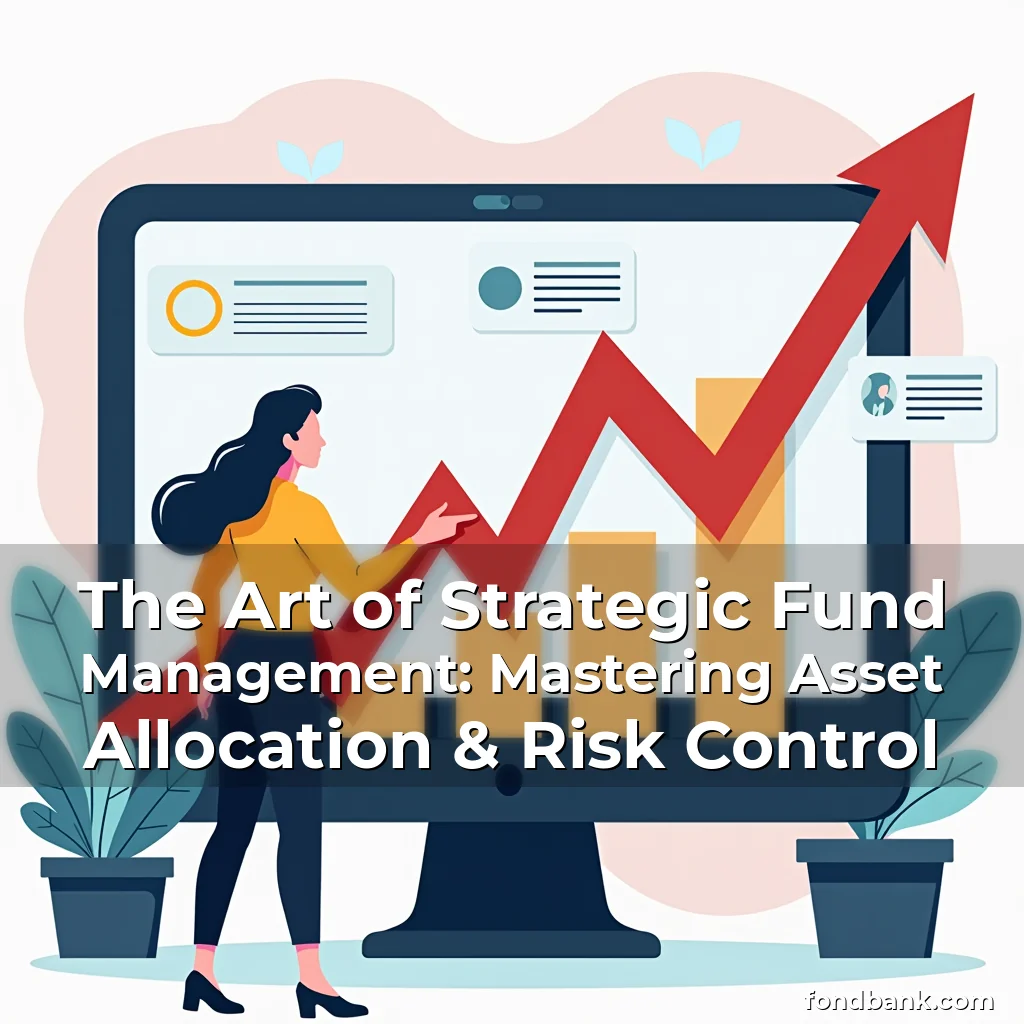
The Art of Strategic Fund Management: Mastering Asset Allocation & Risk Control
Fund management is not merely about managing money—it’s an intricate dance between strategy, risk control, and market awareness that determines the long-term success of investors’ portfolios. In today’s fast-paced financial landscape, understanding how fund managers allocate assets, assess risks, and adapt to economic changes is crucial.
This guide delves deep into the world of professional fund management, exploring key principles, techniques, and tools used by experts to optimize returns while safeguarding capital against unnecessary losses.
Understanding the Core Principles of Fund Management
At its heart, fund management involves making informed decisions about where to invest capital based on predefined objectives, time horizons, and risk tolerance levels. These decisions are guided by fundamental investment theories such as diversification, compounding, and asset allocation.
Diversification remains one of the most critical strategies in minimizing unsystematic risk. By spreading investments across various asset classes—stocks, bonds, real estate, commodities—managers reduce exposure to any single security or sector experiencing downturns.
Compounding plays a pivotal role in growing wealth over time. Even modest regular contributions can generate significant returns when reinvested consistently through compound interest mechanisms.
Asset allocation refers to determining what percentage of a portfolio should be invested in different types of assets depending on factors like age, income level, goals, and market conditions at hand.
Key Components That Define Effective Fund Management
A successful fund manager must balance several interrelated components including performance tracking, cost efficiency, liquidity management, and regulatory compliance. Each element contributes uniquely toward achieving optimal results without compromising investor interests.
Performance tracking allows managers to evaluate whether their current approach aligns with set targets while identifying areas needing improvement. This requires constant monitoring using benchmarks relevant to each fund type being managed.
Liquidity management ensures that enough cash reserves exist within a portfolio so that redemptions from investors don’t disrupt ongoing operations too severely during periods of high withdrawal demand.
Regulatory compliance mandates adherence to legal standards ensuring transparency and fairness towards all stakeholders involved; failure here could lead to severe penalties impacting both reputation and profitability significantly.
Strategies Employed by Top Fund Managers Worldwide
Experienced professionals employ diverse methodologies tailored specifically according to client needs ranging from passive investing approaches like index funds replication up through active trading tactics aimed at beating benchmark indices regularly.
PASSIVE INVESTING focuses heavily on replicating broad market indices rather than attempting to outperform them actively. It typically carries lower fees due reduced transaction costs associated with frequent trades made under active management models.
ACTIVE TRADING aims to capitalize upon short term price fluctuations identified through technical analysis patterns along with fundamental research regarding company earnings reports amongst other indicators influencing stock valuations daily.
HEDGING TECHNIQUES involve utilizing derivatives instruments such as options contracts or futures agreements designed protect against potential downside movements affecting overall portfolio values negatively.
- Index Funds: These replicate major stock indices offering diversified exposure at minimal expense ratios compared traditional mutual funds.
- Mutual Funds: Allow pooled resources enabling individual investors access institutional grade opportunities otherwise unattainable alone.
- Etf Products: Trade similarly equities yet provide instant diversification benefits similar those found inside broader index-based products available elsewhere globally.
Risk Assessment Techniques Used Within Professional Practices
Risk assessment forms backbone behind every decision made concerning future allocations among varied categories comprising entire investment universe accessible currently.
Variance measures dispersion around average return figures helping quantify volatility experienced historically across respective securities included within particular holding period considered important metric during evaluation process.
Value At Risk calculations estimate maximum loss likely occurring within specified confidence interval given certain timeframe parameters established beforehand allowing clearer understanding possible worst case scenarios facing particular investment vehicles selected initially.
Stress testing simulates extreme but plausible situations aiming uncover vulnerabilities hidden beneath normal operating assumptions prevailing majority cases encountered commonly nowadays.
The Role Of Technology And Data Analytics In Modern Fund Management
Advancements technology have revolutionized way professionals conduct analyses necessary executing sound judgments efficiently accurately timely manner essential modern era characterized rapid information exchange speeds unprecedented scale ever before witnessed industry history thus far.
Data analytics enables processing vast amounts data gathered continuously through digital channels facilitating predictive modeling capabilities previously unimaginable even few years ago due limitations manual methods utilized extensively prior adoption electronic systems widespread implementation.
Artificial intelligence algorithms now capable detecting subtle trends invisible human eye alone assisting identification emerging patterns signaling shifts markets requiring immediate attention adjustments accordingly preventing costly mistakes potentially harming bottom lines affected parties alike.
Cloud computing solutions allow seamless integration disparate datasets originating sources across globe consolidating everything centralized platforms enhancing accessibility collaboration efforts among teams working remotely locations worldwide simultaneously.
Ethical Considerations And Best Practices For Sustainable Investing
Sustainable investing has gained traction recently emphasizing importance integrating environmental social governance criteria alongside conventional financial metrics shaping holistic view responsible growth development communities societies collectively benefitting everyone engaged ecosystem formed around these ideals promoted widely nowadays.
Environmental impact assessments help identify companies contributing positively reducing carbon footprints promoting renewable energy initiatives mitigating climate change effects threatening global stability ecosystems dependent thereof.
Social responsibility considerations ensure organizations operate ethically treating employees fairly respecting labor rights supporting local communities developing programs addressing pressing issues faced residents living nearby facilities operations located primarily.
Governance evaluations scrutinize corporate structures checking whether boards composed individuals prioritizing stakeholder welfare above personal gains implementing transparent policies fostering accountability trust essential building long lasting relationships clients partners alike.
Navigating Market Volatility Through Adaptive Portfolio Strategies
Market volatility poses challenges requiring adaptive strategies designed withstand turbulence maintain steady progress despite unpredictable swings prices seen frequently recent decades especially post-pandemic recovery phase observed globally across multiple sectors industries varying degrees intensity severity.
Dynamic rebalancing adjusts proportions holdings periodically restoring original target allocations maintaining desired risk profile amidst changing circumstances arising naturally evolving economic environments constantly shifting landscapes governed complex forces beyond complete control anyone individually.
Tactical asset allocation employs temporary deviations standard plans seeking exploit favorable conditions created by temporary mispricings correcting themselves eventually returning equilibrium states characteristic matured markets stabilized sufficiently following extended correction cycles completed successfully.
Cash buffers serve dual purposes acting safety nets absorbing sudden withdrawals avoiding forced sales low points simultaneously providing flexibility deploying fresh opportunities appearing unexpectedly beneficial timing advantageous positioning securing superior outcomes relative competitors less prepared handle surprises effectively.
Measuring Performance Metrics For Evaluating Success Criteria
Accurate measurement performance vital assessing effectiveness implemented strategies deciding whether continue refining existing frameworks develop new ones altogether replacing outdated approaches failing deliver expected outcomes consistently reliably over prolonged durations required justify continued usage.
Total Return calculates combined yield generated through appreciation plus dividends received minus expenses incurred throughout tenure measuring net gain achieved irrespective external influences possibly skewing raw numbers presented superficially misleading interpretations drawn hastily without thorough examination underlying factors truly responsible actual achievements recorded formally documented records maintained systematically.
Sharpe Ratio evaluates excess returns earned relative additional risk taken comparing performance against risk-free rate indicating efficiency use capital allocated determining whether higher returns justified greater variance experienced concurrently.
Alpha quantifies ability beat benchmark indices representing skillful execution surpassing passive alternatives lacking same capacity achieve comparable results absent active involvement managing assets proactively seeking advantages others overlooking blindly trusting automated processes devoid human judgment discernment distinguishing winners losers clearly defined parameters established beforehand.
Conclusion
Fund management demands continuous learning adapting quickly transforming knowledge into practical applications benefiting both institutions individuals relying expertise navigate complexities inherent financial markets thriving uncertainty present day environment filled challenges opportunities awaiting exploration mastery.
To excel in this field, stay updated on emerging trends technologies reshaping industry landscape cultivate strong analytical skills coupled ethical integrity commitment sustainability principles guiding choices made everyday ensuring positive legacy left behind through wise stewardship entrusted resources.

news is a contributor at FondBank. We are committed to providing well-researched, accurate, and valuable content to our readers.