- Retirement planning is not a one-time event, but a continuous process that requires regular review and adjustment.
- Uncertainty is an inherent part of retirement planning, and market volatility can be a significant challenge.
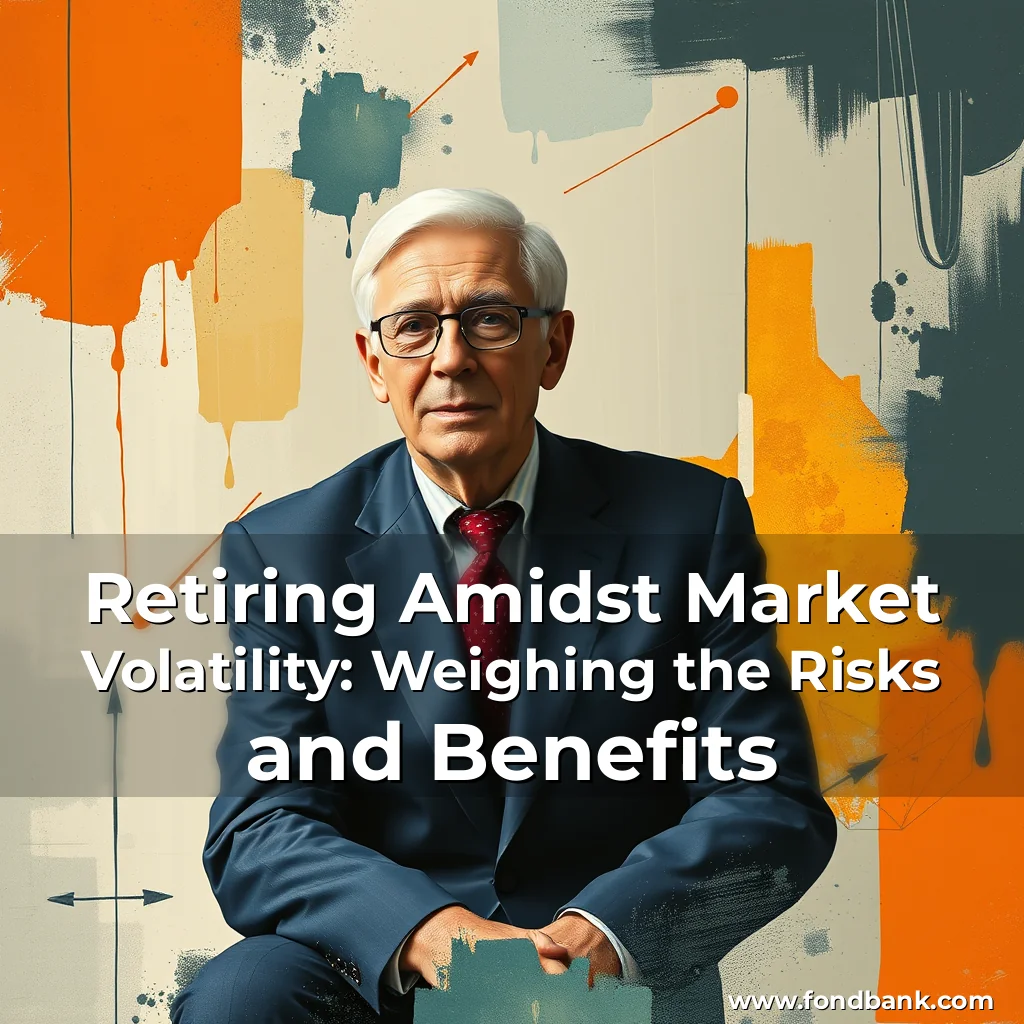
In retirement planning, the goal is to create a sustainable income stream that can last for decades. However, market volatility can pose a significant risk to this goal. If you’ve postponed your retirement due to market fluctuations, you should take a closer look at your retirement plan.
The Role of Stable Income Sources
A well-constructed retirement plan should account for unfavorable events. Stable income sources, such as the Canada Pension Plan (CPP), Old Age Security (OAS), and defined benefit pension plans, provide a stable base. These sources of income are indexed to inflation and are not impacted by stock-market gyrations.
- Canada Pension Plan (CPP):
- Old Age Security (OAS):
- Defined benefit pension plans:
However, the other income – money taken from investment accounts – is more vulnerable to market fluctuations. The primary risk that retirement planning addresses is the fear of running out of money before death.
Addressing Sequence of Returns Risk
Financial planners create forecasts to determine how much you need, taking into account inflation and investment returns. For example, a forecast might show that you can safely withdraw $43,000 per year, increasing with inflation for 30 years.
“A well-constructed retirement plan should assume that things will go sideways sometimes.”
However, the world doesn’t work like that. If you retire in a year when the stock market doesn’t give you the expected return, you face a sequence of returns risk. This means that a poor stock market return early in retirement has depleted your savings faster than your plan showed, and you risk running out of money.
Solutions to Mitigate Sequence of Returns Risk
There are solutions to address this risk, and they can help protect your savings. These techniques can also allow you to stop obsessing about the stock market.
- Increasing exposure to bonds and GICs closer to retirement:
- Keeping one or two years’ worth of annual withdrawals in cash:
- Adjusting the amount you withdraw from your accounts each year:
The first approach is to increase your exposure to bonds and GICs closer to retirement. This means you will have a portion of your portfolio that doesn’t fluctuate very much, and you can draw from these investments in a bad year for stocks. The second approach is to keep one or two years’ worth of annual withdrawals in cash. This allows you to stay invested in stocks for long-term growth but not worry about this year’s roller coaster ride. The third approach is to adjust the amount you withdraw from your accounts each year. Taking more in good years and less in bad ones can help manage the risk.
The Importance of Discipline and Adaptability
The key to a good investment plan is finding the balance between having enough stock exposure to make your money last while keeping your nerves in check. If you panic and sell, or worry about your investments constantly, you need to take a more conservative approach. “A good investment plan finds the balance between having enough stock exposure to make your money last while keeping your nerves in check.”
If you are considering delaying your retirement because of market volatility, you probably don’t have this balance right. You need to assess your ability to stick with a plan even when the headlines are scary.
- Sequence of Returns Risk:
- A financial risk that arises from a poor stock market return early in retirement, which can deplete savings faster than expected.

news is a contributor at FondBank. We are committed to providing well-researched, accurate, and valuable content to our readers.